Episode 117: Has the Fed Got It Wrong? What It Means for Bitcoin
 Deribit
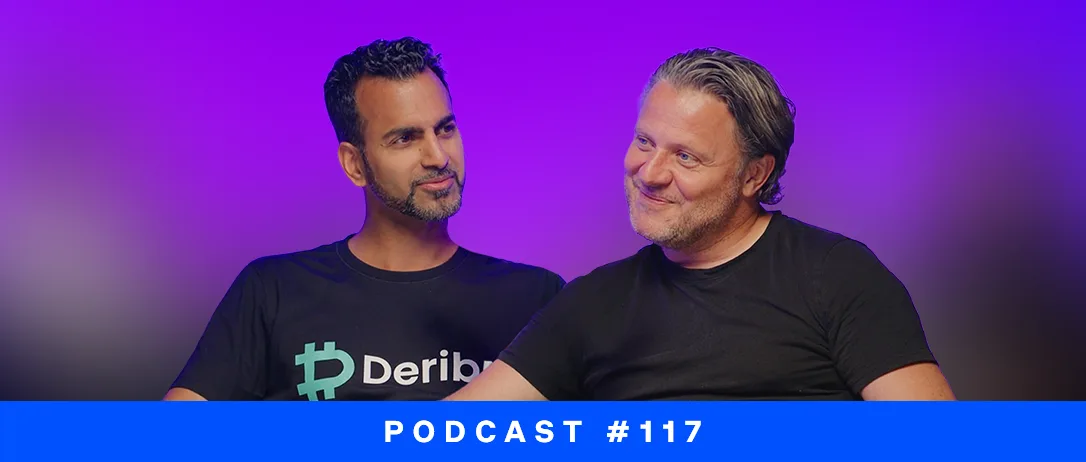
In this week’s Crypto Options Unplugged, Imran Lakha and David Brickell break down the latest macro developments following the Federal Reserve meeting, examining why markets may have overreacted to the Fed’s seemingly hawkish stance and what falling oil prices, declining inflation expectations, and shifting real yields could mean for Bitcoin and risk assets.
The discussion explores the rotation taking place beneath the surface of equity markets, questioning whether the AI trade is beginning to cool and if capital could gradually find its way back into crypto. The pair also analyse Bitcoin’s current market structure, options positioning, volatility, and why the asset may be in a bottoming process despite persistent bearish sentiment.
The episode also dives into the growing concerns surrounding Strategy (formerly MicroStrategy), the debate over its capital structure and preferred securities, and whether fears of a forced Bitcoin liquidation are justified. Finally, Imran and David discuss why patience, disciplined positioning, and avoiding leverage remain critical as investors prepare for the next phase of the crypto cycle.
The following topics is covered:
00:00 – Introduction 02:42 – Iran deal, oil below $70 and inflation expectations 05:35 – Equities vs commodities 07:23 – Quarter-end liquidity and pressure on Bitcoin 09:30 – Why fading AI could be constructive for crypto 10:06 – Meme stocks, & Meme coins 12:19 – SpaceX reversal & delayed OpenAI/Anthropic IPOs 13:23 – Real yields and the macro case for crypto 15:45 – The four-year crypto cycle 16:12 – Options market setup: low vol & put demand 19:06 – MicroStrategy FUD 25:28 – Bitcoin miners & bearish sentiment 26:25 – What could turn crypto bullish again? 29:12 – Vol, optionality, patience, and avoiding leverage 33:15 – Closing Thoughts
Listen via Apple Podcast or Spotify.
Don’t miss this podcast, stay tuned for more!
Disclaimer: The content presented on Crypto Options Unplugged is not intended as investment advice. Always conduct your own research.